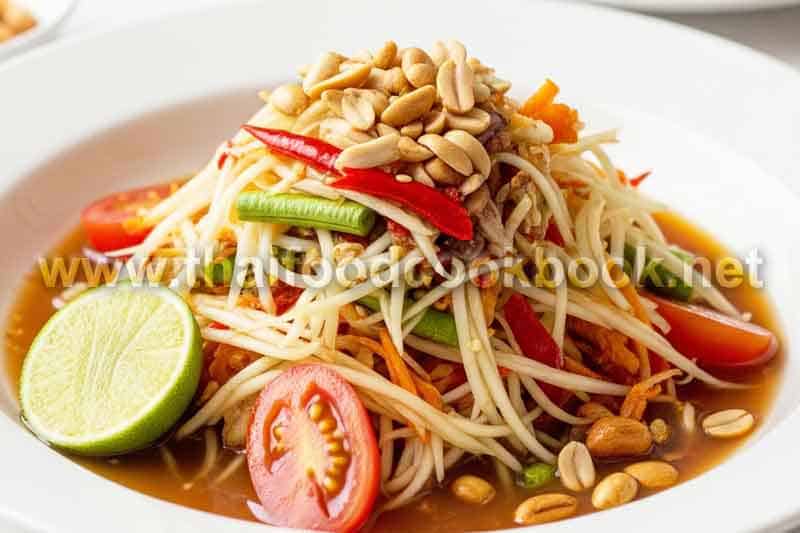
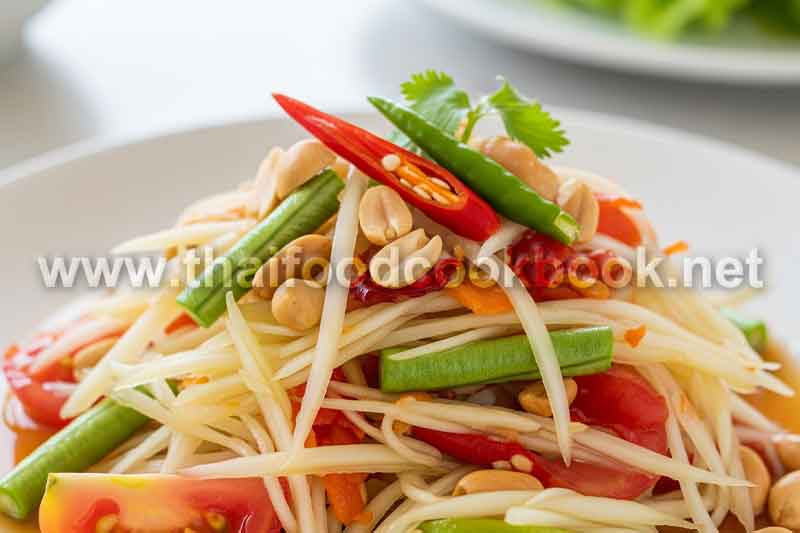
The Secret Ingredients Behind Authentic Thai Street Food
Many people enjoy Thai street food but struggle to understand why the same dishes taste different when cooked elsewhere. The flavors feel deeper, brighter, and more balanced on the streets of Thailand. This difference comes from a combination of carefully chosen ingredients, timing, and local knowledge that is often overlooked. By exploring authentic Thai street food, it becomes clear that the true secret is not complexity but precision. Understanding these ingredients and how they work together helps food lovers appreciate why Thai street food remains unmatched and why it continues to attract people from all over the world.
Core Ingredients That Define Authentic Thai Street Food Flavor
Authentic Thai street food relies on a small group of core ingredients used consistently across many dishes. These ingredients form the foundation of Thai flavor and create the balance that makes street food so addictive.
- Fish sauce for deep savory umami
- Palm sugar for gentle natural sweetness
- Lime juice and tamarind for fresh acidity
- Fresh chilies for clean, sharp heat
Why Fish Sauce Is Essential in Thai Street Food
Fish sauce provides more than saltiness. It adds complexity and depth that cannot be replaced by soy sauce alone. Street vendors use it carefully, adjusting amounts during cooking to avoid overpowering the dish.
Balancing Salt Without Overpowering Flavor
Experienced vendors taste constantly. A small adjustment of fish sauce can change the entire profile of a dish, creating harmony instead of heaviness.
Fresh Herbs and Aromatics That Create Signature Thai Taste
Fresh herbs separate authentic Thai street food from imitations. These ingredients are often added at the final stage of cooking to preserve aroma and brightness.
- Holy basil with peppery notes
- Cilantro for freshness
- Lemongrass for citrus aroma
- Kaffir lime leaves for fragrance
Why Holy Basil Matters More Than Regular Basil
Holy basil has a stronger aroma and slightly spicy bite that defines dishes like Pad Kra Pao. Using other basil varieties changes the flavor entirely.
Timing Herbs for Maximum Aroma
Street cooks add herbs at the last moment. This technique keeps flavors vibrant instead of dull or bitter.
Chilies: The Controlled Heat Behind Thai Street Food
Spice in Thai street food is intentional, not extreme for shock value. Different chilies are chosen for flavor, heat, and freshness.
- Bird’s eye chilies for sharp intensity
- Fresh crushed chilies instead of powder
- Chili added during and after cooking
Why Fresh Chilies Taste Better Than Dried
Fresh chilies release oils that create cleaner heat. This heat fades gradually, allowing other flavors to shine.
Adjusting Spice Without Losing Balance
Thai street food allows customization. Vendors adjust chili levels while keeping flavor harmony intact.
Acidic Ingredients That Brighten Every Bite
Acidity plays a key role in Thai street food. Lime juice and tamarind prevent dishes from tasting heavy and keep flavors lively.
- Lime juice for freshness
- Tamarind for mild sourness
- Vinegar for noodle dishes
Tamarind as a Signature Thai Ingredient
Tamarind delivers sourness without sharpness. It is especially important in Pad Thai and sauces.
Why Acid Must Be Added Last
Adding acid too early dulls flavor. Street vendors add it near the end to keep dishes bright.
Cooking Oils and Heat Control in Thai Street Food
The choice of oil and heat level greatly affects taste. Thai street food uses high heat but neutral oils to avoid overpowering ingredients.
- Vegetable oil for clean flavor
- High-heat wok cooking
- Fast movements to prevent overcooking
The Role of Wok Cooking on the Street
High heat creates light smokiness without burning. This technique adds depth and texture.
Why Speed Matters in Thai Street Cooking
Quick cooking preserves freshness and prevents sogginess, especially in noodles and vegetables.
Fermented Ingredients That Add Depth and Complexity
Fermentation is subtle but important in Thai street food. These ingredients add umami without heaviness.
- Shrimp paste in sauces
- Fermented fish products in regional dishes
Why Fermentation Is Used Carefully
Fermented ingredients are powerful. Vendors use small amounts to enhance flavor rather than dominate it.
Regional Influence on Fermented Ingredients
Some regions favor stronger fermented flavors, especially in northeastern Thai street food.
Ingredient Sourcing: Why Fresh Markets Matter
Authentic Thai street food depends on daily market shopping. Freshness cannot be replaced by storage or shortcuts.
- Daily vegetable selection
- Fresh herbs used within hours
- Meat and seafood sourced locally
How Freshness Impacts Flavor
Fresh ingredients reduce the need for heavy seasoning and preserve natural taste.
Why Street Food Outperforms Restaurants
High turnover means ingredients never sit long, resulting in brighter, cleaner flavors.
The Human Element Behind Authentic Thai Street Food
Ingredients alone are not enough. Skill, memory, and repetition play a critical role.
- Recipes learned through practice
- Instinctive seasoning adjustments
- Experience replacing written measurements
Why Street Vendors Taste Constantly
Tasting allows real-time correction, ensuring consistency throughout the day.
Consistency Built Through Daily Cooking
Cooking the same dish hundreds of times creates unmatched precision.
Conclusion: Why Ingredients Define Authentic Thai Street Food
The Secret Ingredients Behind Authentic Thai Street Food are not hidden or mysterious. They are fresh herbs, balanced seasonings, controlled heat, and deep respect for ingredients combined with daily practice. These elements work together to create flavors that feel alive and memorable. Understanding these foundations helps explain why Thai street food remains globally admired. For deeper cultural and historical insight into Thai street food, exploring these ingredients in their natural street setting is the best way to truly understand what makes them authentic.