Thai Sweets Recipe: Homemade Khanom Tom Coconuts Balls
Discover a step-by-step Thai sweets recipe to make homemade Khanom Tom coconut balls. Learn how to create this gluten-free, traditional Thai coconut dessert at home with simple ingredients
Finding truly authentic thai food recipes can be overwhelming for many home cooks, especially when ingredients, cooking techniques, and regional differences create confusion about where to begin. Many people want to recreate the same flavors they enjoy at restaurants but struggle because the steps are unclear, the seasonings are imbalanced, or the dish does not taste like real Thai cuisine. With the right guidance, well-explained instructions, and structured recipe categories, everyone can cook delicious Thai dishes at home. This article gathers the most dependable methods, practical cooking tips, and detailed explanations to help home cooks easily achieve authentic results based on classic traditions and modern longtail cooking guides.
One of the most common challenges for beginners is understanding how to balance flavors—sweet, sour, salty, and spicy—which define Thai cuisine. Easy thai food recipes for beginners allow new home cooks to explore the cuisine without complicated steps. Some dishes require only a few ingredients and minimal cooking equipment, making them perfect for everyday meals. To help beginners get started, here are simple categories of dishes that guarantee delicious results:
Beginners can build confidence by starting with these approachable categories. Each recipe highlights foundational Thai flavors that create satisfying meals without requiring advanced knowledge of Thai cooking traditions. With practice, beginners naturally understand flavor layering and ingredient preparation that define authentic thai food recipes.
Many home cooks seek authentic thai food recipes but may not realize how crucial fresh herbs, spices, and cooking techniques are to capturing traditional flavors. Authentic Thai cuisine relies heavily on regional ingredients such as kaffir lime leaves, galangal, lemongrass, tamarind paste, and fish sauce. When used properly, these ingredients produce rich, aromatic dishes that represent the true essence of Thailand’s culinary heritage.
Authenticity emerges through proper preparation and technique: pounding curry pastes by hand, simmering broth slowly, grilling meats using charcoal heat, or fermenting ingredients to enhance umami. These practices allow home cooks to produce dishes that taste just like those found in traditional Thai households. Using these longtail recipe techniques helps elevate every dish from simple home-cooked meals to truly authentic Thai food.
Understanding essential ingredients is the foundation of mastering thai food recipes. Many dishes rely on the correct balance of herbs, seasonings, and aromatics to achieve their iconic complexity. Each ingredient contributes its own unique flavor note, making Thai cuisine vibrant and memorable.
Cooking methods also play a vital role in producing restaurant-quality dishes. Stir-frying requires high heat, while simmering curries allows flavors to blend gradually. Grilling imparts smokiness essential to northeastern dishes, and steaming preserves delicate textures in fish and vegetable recipes. Combining proper techniques with essential ingredients ensures that home cooks achieve the most flavorful results possible.
Many people search for thai food recipes because they want restaurant-quality dishes at home but find that the flavors fall short. Achieving restaurant results requires attention to detail, precise seasoning, and understanding the longtail processes behind each dish. Home cooks can replicate restaurant flavors by following structured preparation steps and choosing the right ingredients.
By integrating these methods, anyone can transform simple home dishes into impressive meals that rival popular Thai restaurants. Mastery comes from practice, flavor understanding, and consistent ingredient use. Restaurant-quality thai food recipes are achievable for every home cook when guided by longtail techniques and authentic preparation methods.
Thai cuisine is incredibly diverse, with each region offering unique flavors, ingredients, and cooking traditions. Exploring regional recipes helps home cooks expand their skills while discovering new dishes that represent cultural heritage. From vibrant street-food favorites to slow-cooked family recipes, each region introduces its own character.
Exploring these regional recipes helps deepen your knowledge and experience of Thai culinary arts. Each category reveals new techniques that expand your comfort zone while enhancing your skills with a wider selection of thai food recipes for everyday cooking.
In summary, mastering thai food recipes becomes easier when home cooks understand essential ingredients, regional variations, and longtail cooking steps that produce authentic flavors. Whether preparing easy dishes for beginners, exploring traditional recipes, or recreating restaurant-style meals, Thai cuisine offers accessible methods for cooks of all levels.
Delving into the world of Thai cuisine unveils a vibrant array of flavors, techniques, and traditions that have captivated palates globally. However, many enthusiasts and home cooks often find themselves overwhelmed by the vastness and complexity of Thai dishes. The challenge lies in distinguishing authentic recipes from regional variations and understanding the cultural significance behind each dish. To bridge this gap, we offer comprehensive Thai food articles that delve deep into the essence of Thai cooking, providing clarity and guidance for both novices and seasoned chefs alike.
Thai cuisine is renowned for its harmonious balance of sweet, sour, salty, and spicy flavors. Central to this balance are key ingredients such as fish sauce, tamarind, lemongrass, and galangal. These elements not only define the taste profile of Thai dishes but also reflect the country’s rich agricultural heritage. By exploring authentic Thai food articles, readers can gain insights into the foundational components that make Thai cooking unique and learn how to incorporate them into their culinary repertoire.
Thailand’s diverse geography and cultural influences have given rise to distinct regional cuisines. In the north, dishes like Khao Soi offer a fusion of Burmese and Thai flavors, while the southern region is known for its rich and aromatic curries, often incorporating coconut milk and turmeric. Understanding these regional nuances is essential for anyone seeking to appreciate the full spectrum of Thai cuisine. Through detailed Thai food articles, readers can embark on a culinary journey that traverses the country’s rich tapestry of flavors and traditions.
While authentic Thai ingredients might be readily available in international markets, mastering the techniques of Thai cooking can be more challenging. Techniques such as stir-frying, steaming, and grilling are fundamental to achieving the desired flavors and textures in Thai dishes. By studying comprehensive Thai food articles, home cooks can gain a deeper understanding of these methods and learn how to apply them effectively in their kitchens.
Exploring Thai cuisine through in-depth Thai food articles offers a gateway to understanding the rich cultural heritage and culinary traditions of Thailand. By delving into the history, techniques, and regional variations of Thai dishes, both novice and experienced cooks can enhance their culinary skills and bring authentic Thai flavors into their homes. Whether you’re seeking to recreate a favorite dish or embark on a new culinary adventure, the world of Thai cuisine awaits your discovery.
Discover a step-by-step Thai sweets recipe to make homemade Khanom Tom coconut balls. Learn how to create this gluten-free, traditional Thai coconut dessert at home with simple ingredients
Discover how to make easy Thai dessert recipes at home with this authentic Thai black rice pudding recipe. Learn step-by-step instructions and tips for a delicious and creamy traditional Thai sweet treat.

Learn how to make Simple Thai Coconut Milk Dessert Recipe: Coconut Jelly with Pandan with this easy step-by-step guide. Discover natural ingredients and tips for the perfect smooth, refreshing Thai coconut jelly dessert.
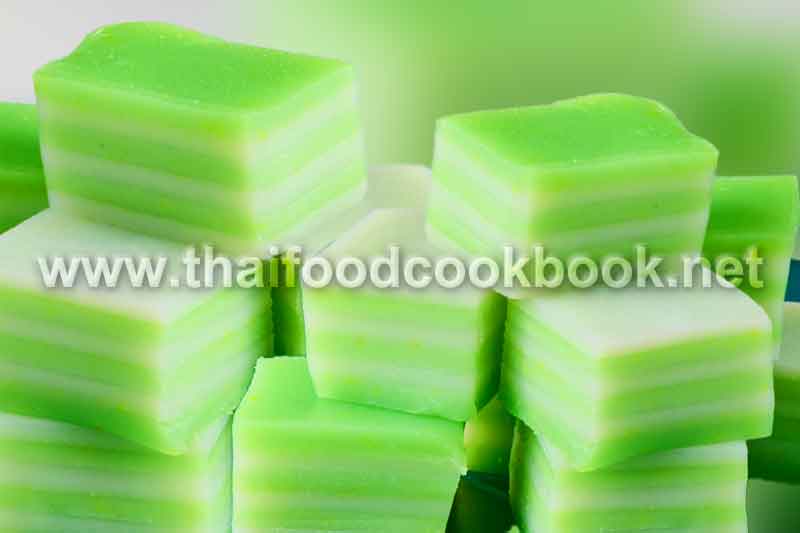
Learn how to make Authentic Thai Dessert Recipe: Traditional Khanom Chan made easy at home. This step-by-step guide with simple ingredients helps you create the delicious multi-layered Thai dessert loved worldwide.
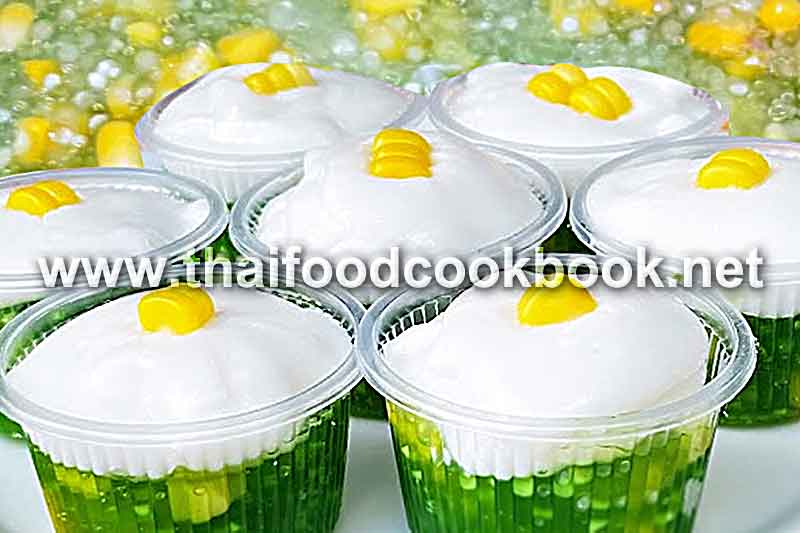
Discover a delicious and easy Gluten-Free Thai Dessert Recipe: Coconut Tapioca Pudding. This traditional Thai sweet made with coconut milk and tapioca pearls is perfect for gluten-sensitive diets and offers a creamy, naturally sweet treat.
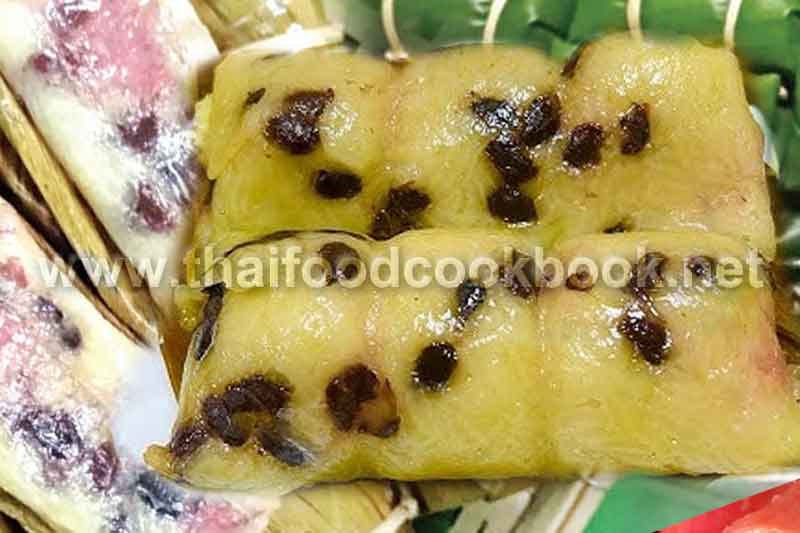
Discover how to make Vegan Thai Dessert Recipes Coconut Milk: Sticky Rice with Banana using simple ingredients and traditional methods. A perfect plant-based Thai treat without dairy or refined sugar.
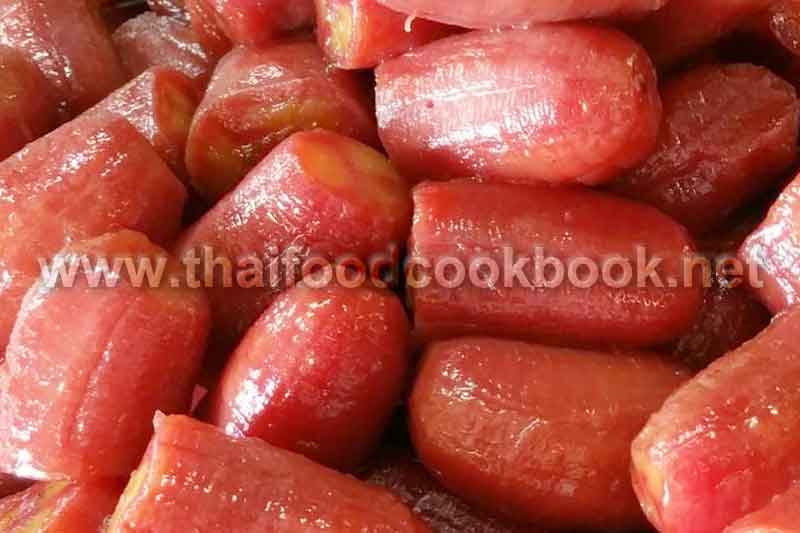
Learn a Traditional Thai Dessert Recipe Without Oven: Fried Banana in Syrup. Discover the step-by-step guide to make this authentic Thai sweet at home with simple ingredients and traditional cooking methods.
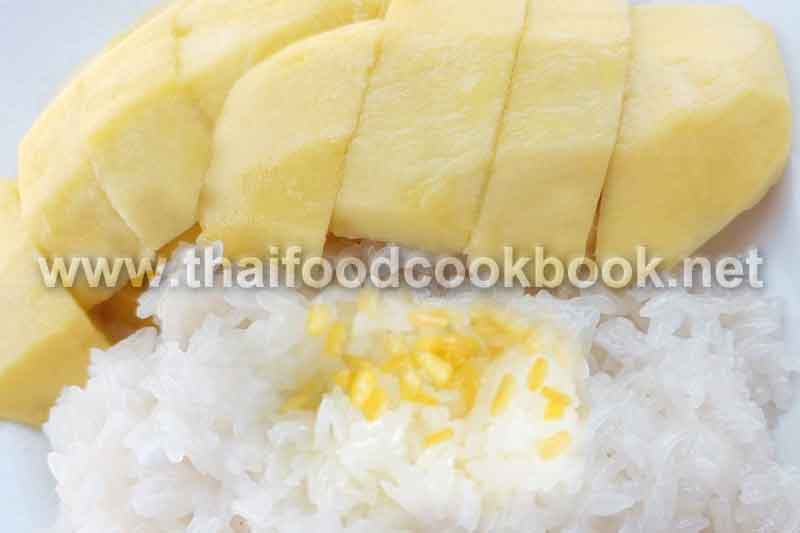
Discover an Easy Thai Dessert Recipe: Homemade Mango Sticky Rice at Home. Learn how to make authentic Thai sticky rice with mango and coconut milk in simple steps.
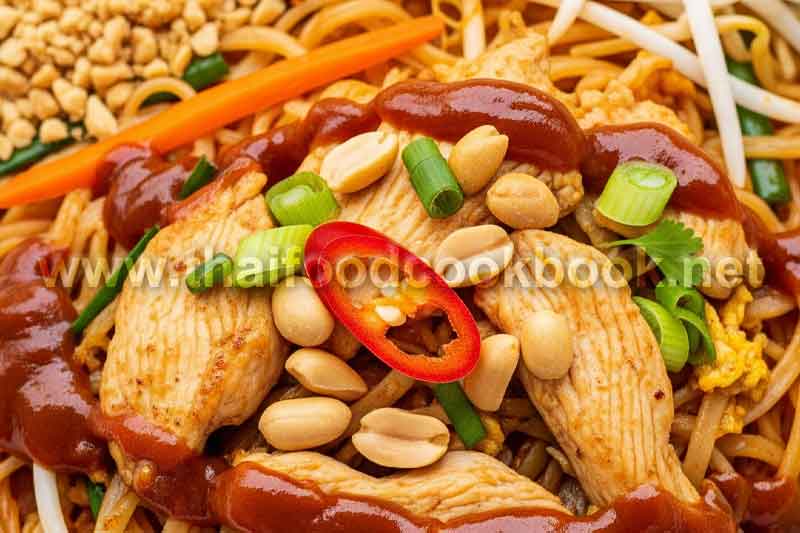
Discover the best Chicken Pad Thai sauce ingredients for authentic Thai flavor. Learn how to make the perfect Pad Thai sauce with tamarind, fish sauce, and more.
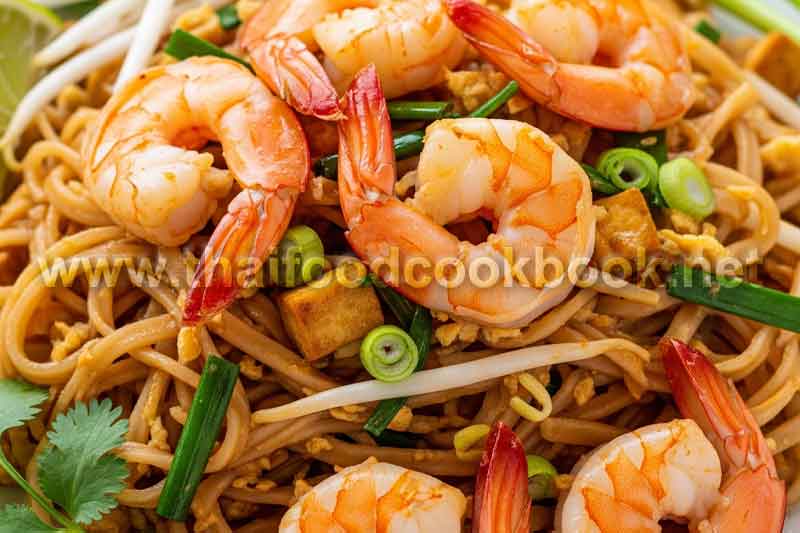
Master Shrimp Pad Thai Tamarind Sauce with this step-by-step tutorial. Learn how to make authentic Thai shrimp Pad Thai at home using a rich, flavorful tamarind sauce.